IMaH Trains Staff in Comprehensive Basic Life Support to Strengthen Emergency Response Capacity
- Home
- IMaH Trains Staff in Comprehensive Basic Life Support to Strengthen Emergency Response Capacity
Our Health, Our Priority | Trusted Care 24/7 at IMaH. | Emergency No.055 397 9383, 055 398 6052 | Book Appointment | 0303220030
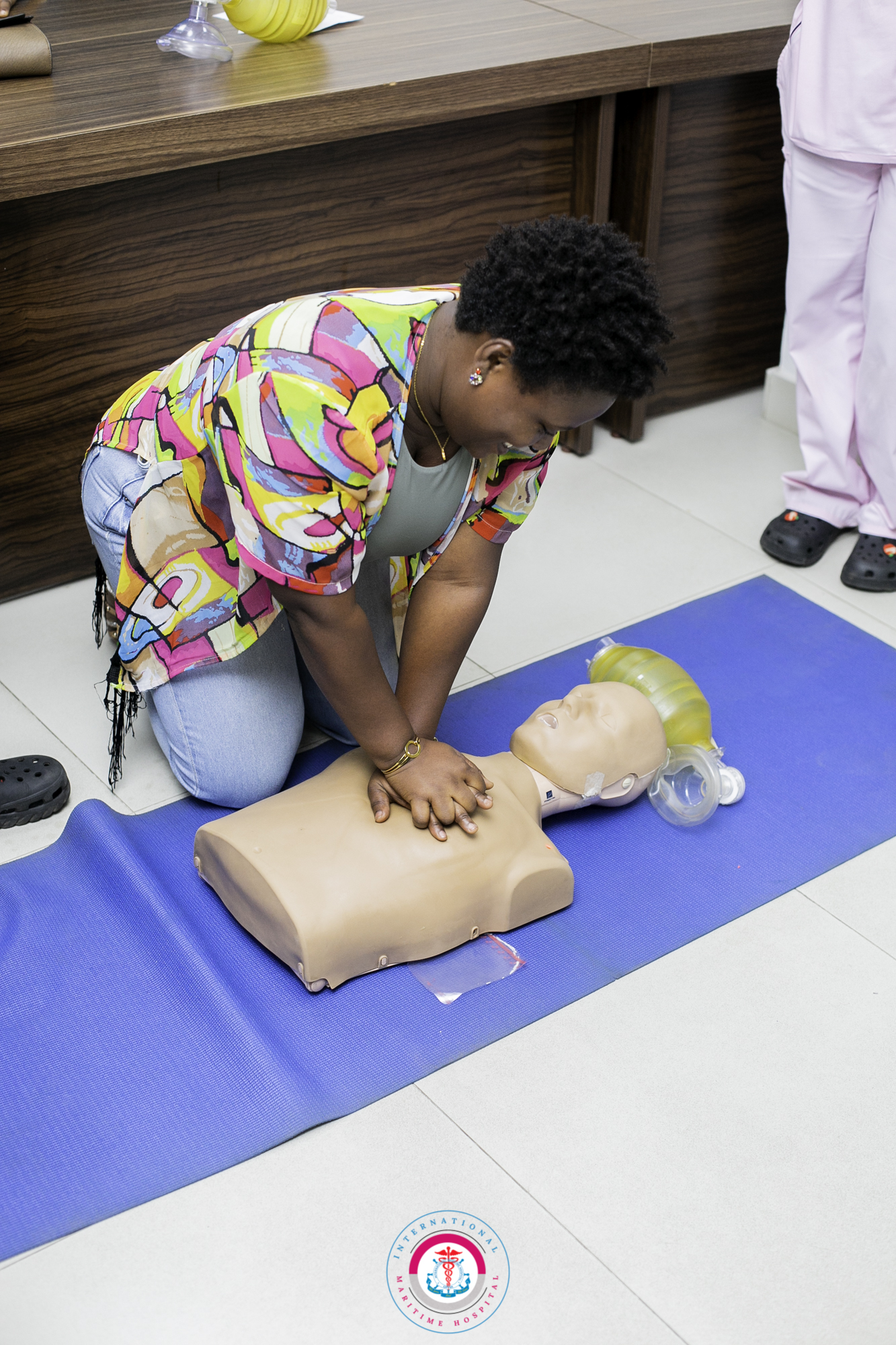
In line with our unwavering commitment to patient safety and excellence in healthcare delivery, the hospital recently organized a week-long Basic Life Support (BLS) training program for all staff members. The training, led by the Head of the Accident and Emergency Department, Dr. Barbara Ayesha Karbo, forms part of our ongoing efforts to strengthen emergency preparedness and ensure that every member of staff is equipped to respond effectively to life-threatening situations.
The program brought together both clinical and non-clinical staff, reinforcing the hospital’s philosophy that emergency response is a shared responsibility and that timely intervention can significantly improve patient outcomes.
Comprehensive Training Approach
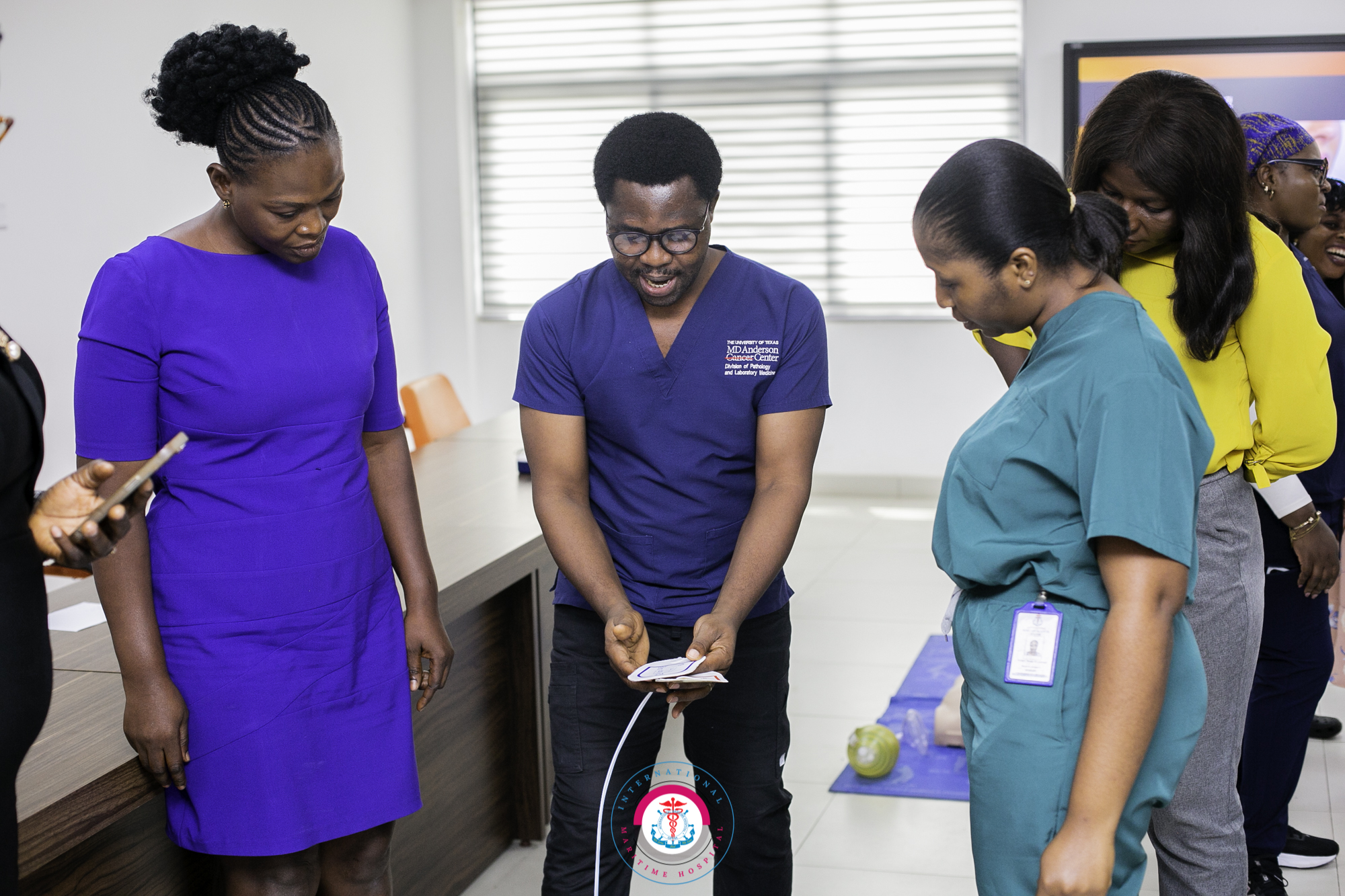
The training program combined theoretical instruction with hands-on practical sessions, ensuring participants gained both knowledge and practical competence.
The theoretical sessions covered:
• Principles of Basic Life Support
• Early recognition of cardiac and respiratory emergencies
• Importance of immediate intervention
• Emergency response protocols within the hospital
• Effective teamwork and communication during emergencies
Participants were also educated on identifying warning signs of life-threatening conditions and initiating appropriate response measures before specialized medical teams arrive.
Practical Hands-On Experience
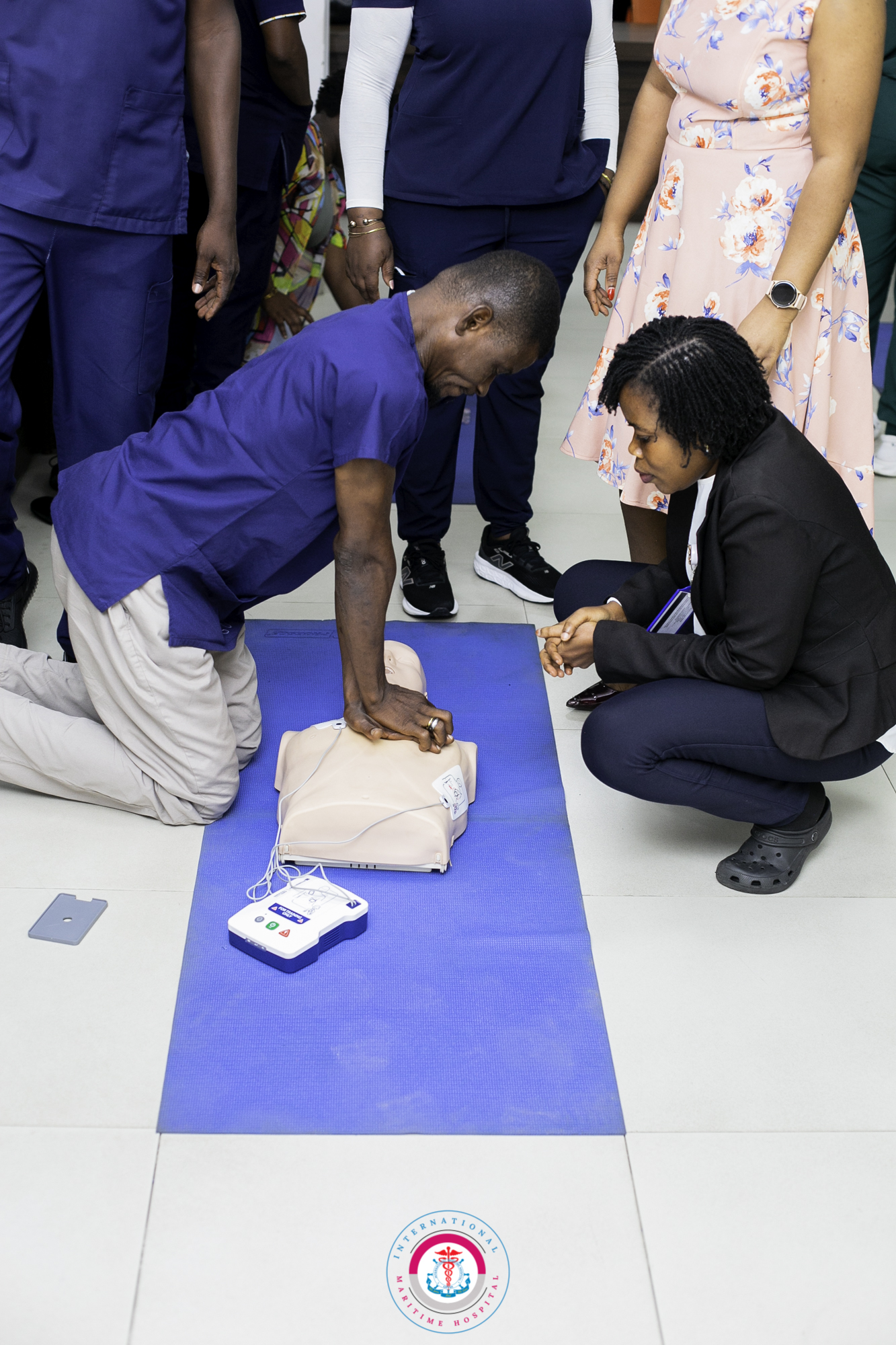
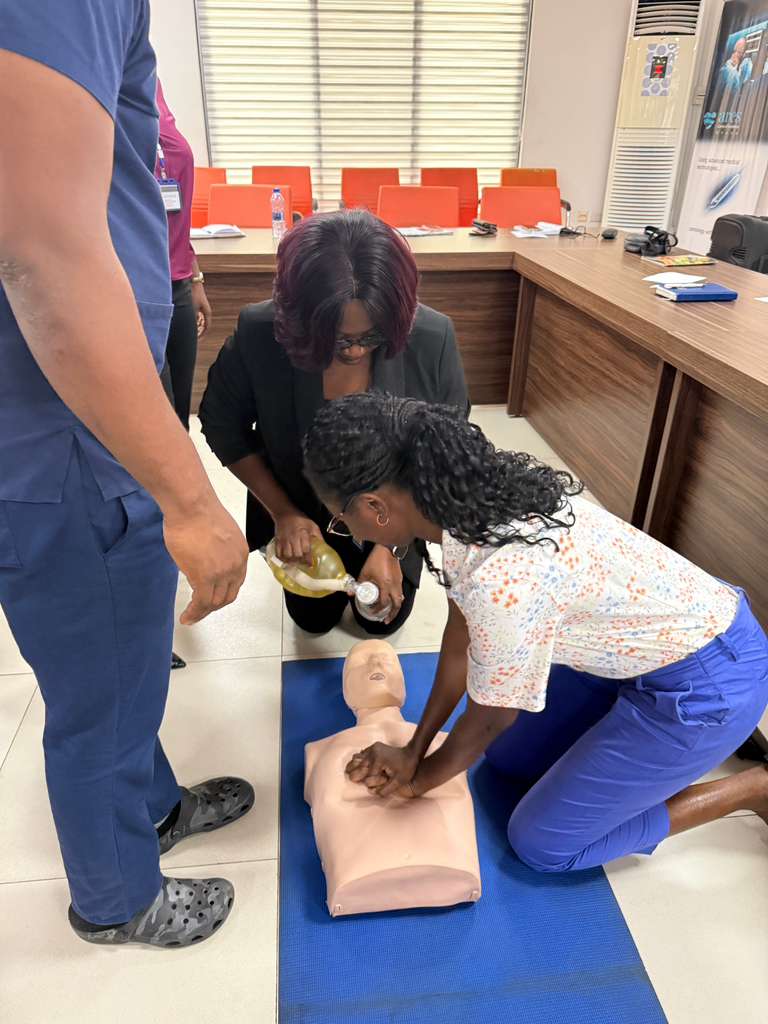
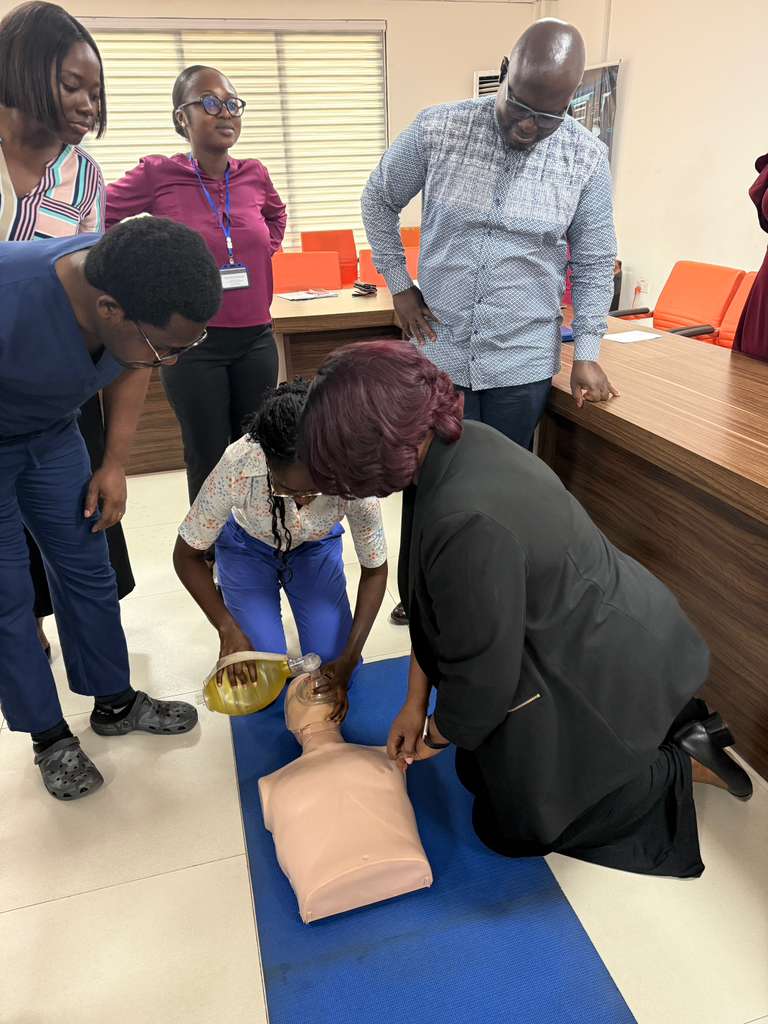
A key component of the training involved intensive practical sessions where staff members practiced life-saving techniques under professional supervision. These sessions included:
• Cardiopulmonary Resuscitation (CPR) techniques for adults
• Airway management procedures
• Use of emergency response equipment
• Simulation of emergency scenarios for real-life preparedness
• Team-based response coordination exercises
By participating in realistic emergency simulations, staff members were able to build confidence and competence in handling critical situations.
Building a Culture of Safety
According to Dr. Karbo, the training aimed not only to improve technical skills but also to cultivate a culture of safety and readiness across all departments.
“Emergencies can occur anywhere in the hospital, not only in clinical areas. Ensuring that all staff members can initiate life-saving measures significantly increases the chances of survival and recovery for patients,” she emphasized.
Commitment to Continuous Improvement
The hospital management commended the enthusiasm and participation of staff throughout the training program and reiterated its commitment to continuous professional development initiatives.
Regular refresher courses and advanced training sessions are planned to maintain high standards of emergency response and ensure staff remain updated on best practices.
Enhancing Patient Confidence
Through initiatives such as this Basic Life Support training, the hospital continues to strengthen its ability to deliver safe, reliable, and responsive care to patients and visitors at all times.
This program further reassures patients and the community that they are in capable hands, with trained professionals ready to act swiftly in emergencies.